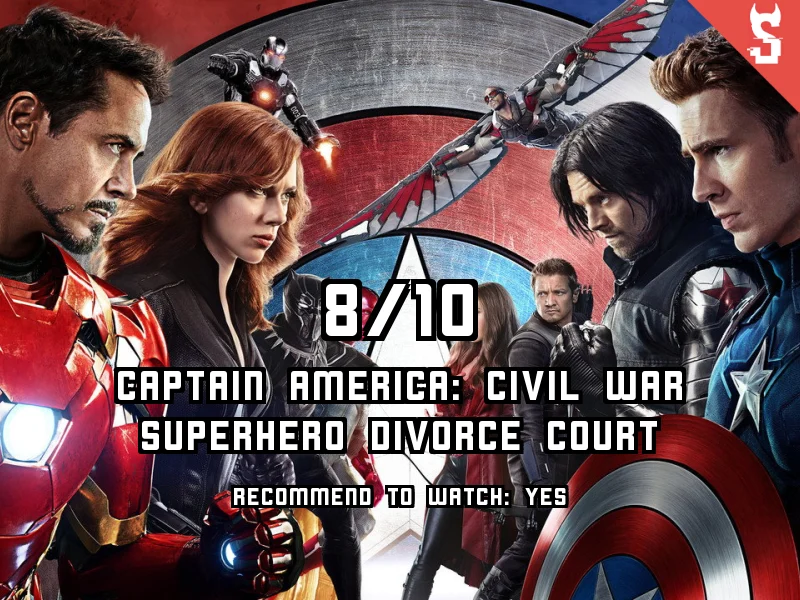
Captain America: Civil War (2016): Superhero Divorce Court
Look, you came here expecting superheroes punching each other, and honestly, that is the least interesting thing happening on screen. The Russo Brothers smuggled a paranoid political thriller into your popcorn movie, and nobody noticed until friendships were bleeding out on airport tarmac. But here is where it gets complicated.
The premise is delicious. Superheroes regulated like firearms? Tony Stark suddenly respecting authority? Steve Rogers becoming a fugitive? On paper, this thing writes itself. But here is the thing. The film wants you caring about geopolitical accountability while also salivating over Spider-Man's debut and that airport brawl everyone saw in trailers seventeen times. It is juggling chainsaws and birthday cakes simultaneously. Sometimes brilliantly. Sometimes you catch the screenplay sweating, desperate to service twelve characters while pretending this intimate conflict between two friends matters more than universe-building obligations. The Russos almost pull it off.
What Is It About
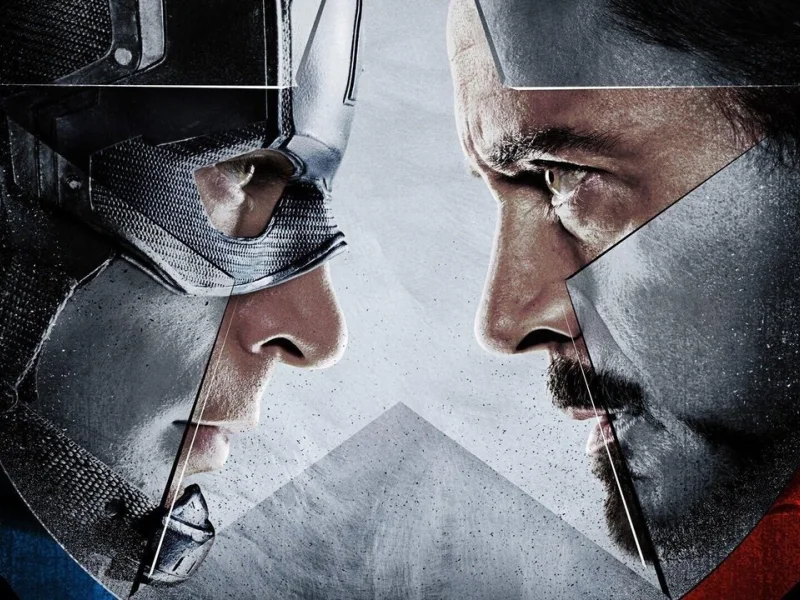
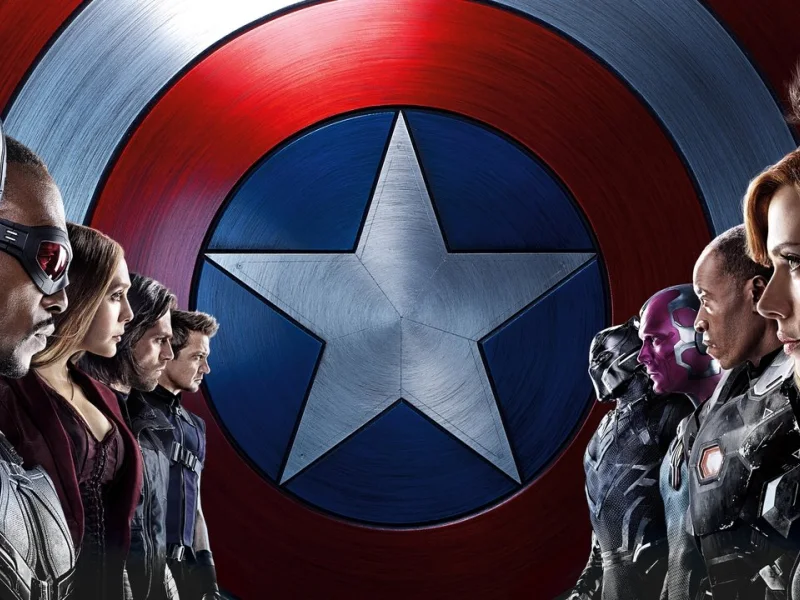
The Sokovia Accords demand superheroes submit to government oversight. Sounds like a meaty debate, right? Then Bucky Barnes resurfaces, allegedly responsible for a devastating bombing, and suddenly Steve is choosing childhood loyalty over literally everyone else's opinion. Tony wants justice. Steve wants to save his brainwashed best friend. Both have legitimate points, which is refreshing and infuriating. But there is a third player manipulating everything from the shadows, and his motivations will leave you genuinely unsettled about who actually won.
Plot Holes and Things That Make No Sense
Okay so Zemo's entire plan requires like fourteen coincidences happening perfectly. He needs Bucky captured but not killed, needs that specific Hydra file to exist, needs the Avengers already fractured enough to implode. One security guard sneezes at the wrong moment and his whole revenge scheme collapses. Also Tony somehow tracks Steve and Bucky to Siberia using what exactly? The screenplay just teleports him there because the third act needs him present. And Vision, the omnipotent android who phases through walls, gets sidelined because he is busy feeling sad about almost killing Rhodey. Convenient emotional paralysis from the most powerful being on the team.
The Good, The Bad, The Honest
That airport sequence is genuinely spectacular filmmaking. Twelve superheroes with distinct fighting styles, clear spatial geography, jokes landing between punches, and emotional stakes threading through every collision. The Russos choreographed a miracle. But the villain problem persists. Zemo works thematically yet feels dramatically inert. He monologues. He waits. He exists purely as plot machinery. The third act Siberia bunker confrontation hits harder emotionally than anything involving him directly. Also the film sidelines Scarlet Witch for half its runtime despite her being the inciting incident. Sharon Carter exists solely to kiss Steve once. The women here deserved better.
Cast and Direction
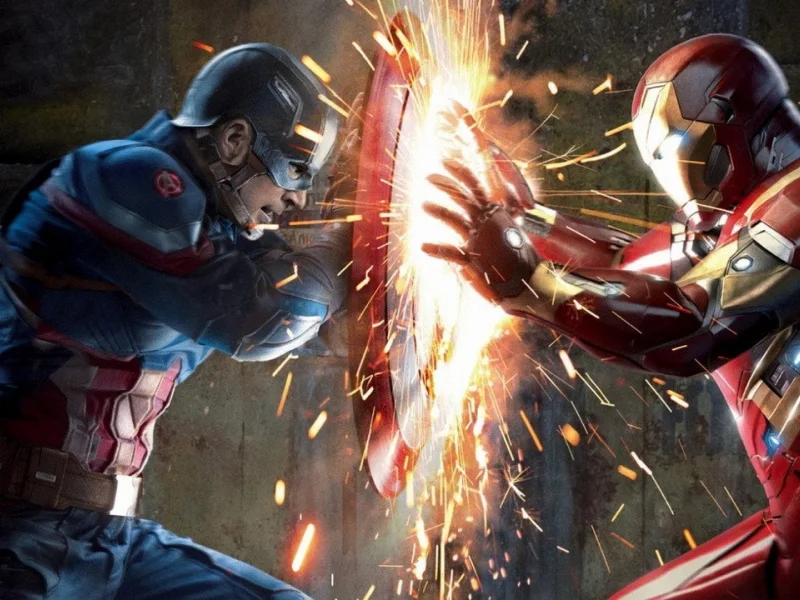
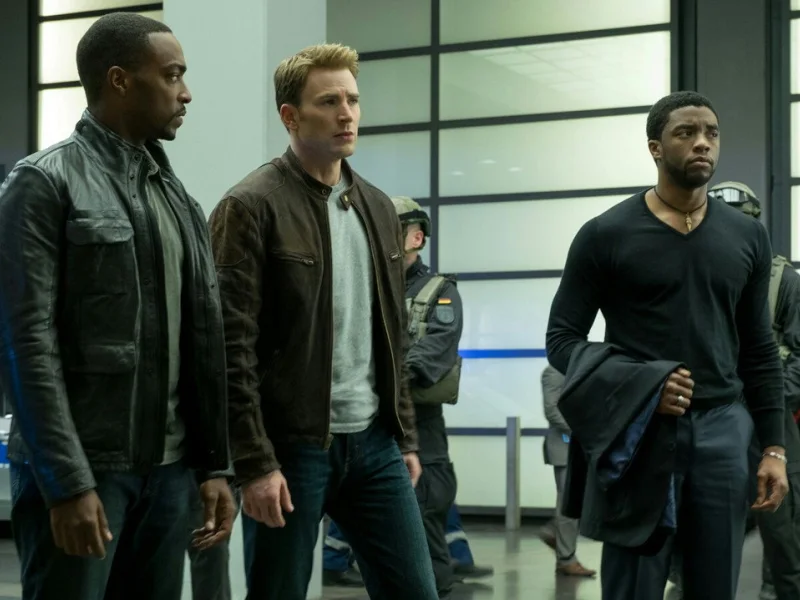
Robert Downey Jr. carries the emotional weight of this entire film on his exhausted face. That bunker scene where he learns the truth? Pure devastation, no quips, just a broken man choosing violence. The Russos direct action with surgical clarity but occasionally mistake crowded frames for complexity. Chris Evans remains impossibly sincere without ever becoming boring, which frankly should be studied.
How It Ends
Zemo reveals footage of Bucky killing Tony's parents while brainwashed. Tony snaps, tries to murder Bucky, Steve defends him. The fight ends with Steve abandoning his shield and choosing Bucky over everything. Final scene: Steve sends Tony a burner phone, a half apology, the Avengers shattered but not irreparably. Zemo survives, captured, mission accomplished. The film earns this ending completely. Every scene built toward this specific emotional detonation. The mechanism is simple: trauma versus loyalty, no sci-fi gimmicks required. The only cheat is knowing Marvel needs these characters back together eventually, which undercuts the devastation slightly. Still lands harder than most superhero conclusions dare attempt.
The Verdict
This film turns a superhero franchise into a genuine tragedy about friendship collapsing under ideological weight. Your final verdict: flawed, overstuffed, occasionally messy, but emotionally devastating in ways these movies rarely attempt. Skip it and you miss the moment Marvel proved it could break your heart without killing anyone permanently. Also you will have zero context for approximately seventeen future films, so good luck at parties.
Is Captain America: Civil War (2016) worth watching?
Yes
Captain America: Civil War (2016) scores 8 out of 10 on SpoilSins, and the one-line verdict is "Yes". Above the SpoilSins median of 7.5, and higher than 60% of the 125 films scored here.
8/10 the SpoilSins score
- Released
- 2016
- Genre
- Action-Adventure, Sci-Fi
- Reviewed by
- Broikos Nikos,
- Scale
- Out of 10, and what that means, against every score on SpoilSins