A Clockwork Orange (1971): Milk Does a Body Violent
You think you can handle ultraviolence served with a side of Beethoven and a wink? Stanley Kubrick made a film so deliberately unwatchable that it became impossible to look away. It dares you to sympathize with a monster, then punishes you for doing exactly that. The question is whether you survive the treatment.
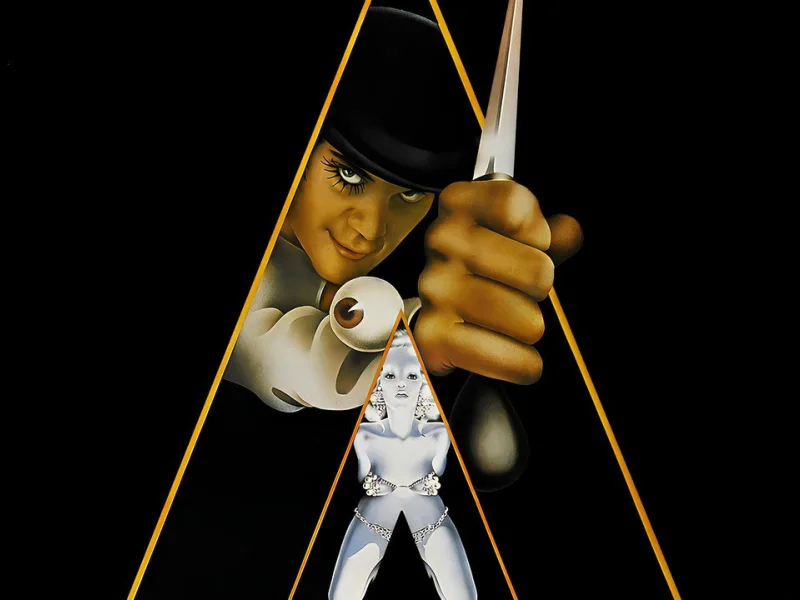
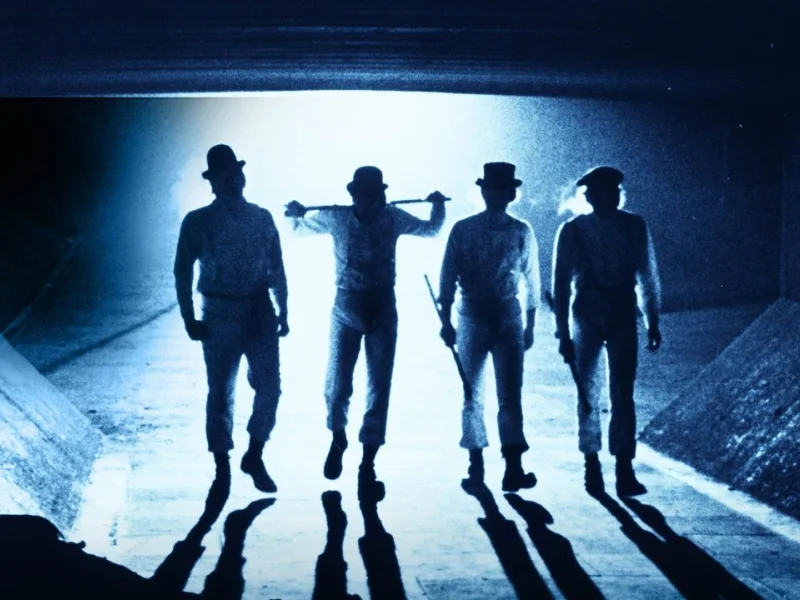
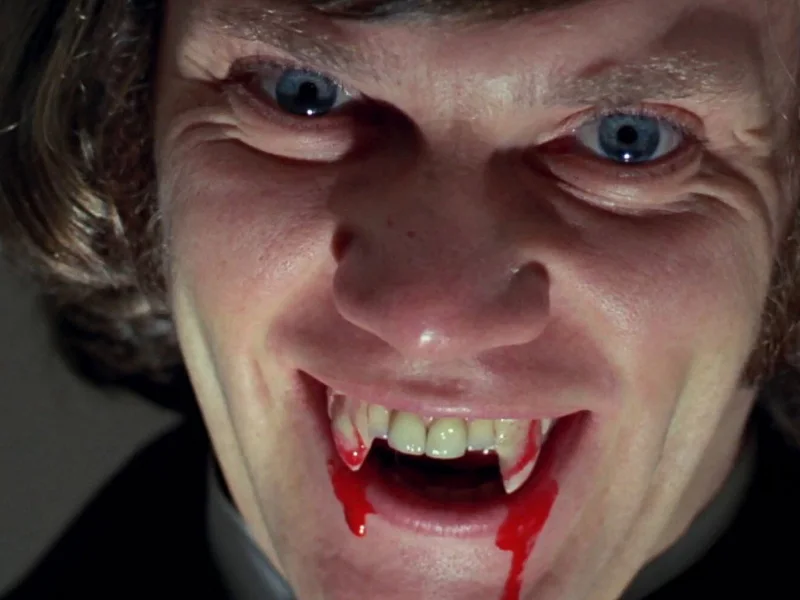
Kubrick drops you into a neon-drenched nightmare Britain where teenage gangs speak in invented slang and milk bars serve something far stronger than calcium. Malcolm McDowell's Alex is charismatic, articulate, and genuinely horrifying. You want to hate him. You should hate him. But here is the thing. Kubrick makes you watch through his eyes, laugh at his jokes, and tap your foot to his beloved Ludwig Van while terrible things unfold. The satire cuts so deep it draws blood from every institution it touches. Government rehabilitation programs become torture chambers dressed in clinical white. And you start wondering who the real monsters are.

What Is It About
The premise promises a simple crime spree. Alex and his droogs terrorize the populace with gleeful abandon until inevitably the law catches up. Prison awaits. But then the government offers him a deal that sounds too good to refuse. Experimental treatment. Early release. A fresh start. What they actually give him is something far worse than incarceration. They strip away his ability to choose evil, which sounds noble until you realize they have also stripped away his ability to choose anything at all. The consequences are devastating.
Plot Holes and Things That Make No Sense
Okay so the Ludovico Technique supposedly makes Alex physically ill at the mere thought of violence right? Then explain how he survives the final act when everyone he wronged conveniently lines up to beat him senseless. His conditioning should have him vomiting before the first punch lands not stumbling around town collecting revenge beatings like Pokemon badges. Also the writer recognizes Alex years later from what exactly? The kid was wearing a mask during the home invasion. Did he leave a business card? And the government just happens to find Alex at the exact moment he becomes politically useful? The timing is so convenient it practically wears a name tag.
The Good, The Bad, The Honest
The visual language here is genuinely groundbreaking. Kubrick transforms brutality into ballet, staging horrific acts with such precise choreography that you catch yourself admiring the composition before remembering what you are actually watching. The use of classical music as ironic counterpoint created a template that filmmakers still copy fifty years later. But the satire grows exhausting. The film hammers its point about free will versus state control with the subtlety of a cane to the skull. Every authority figure is cartoonishly corrupt. Every victim becomes an oppressor. Kubrick trusts his audience with nothing. He explains his themes through dialogue that sounds like philosophy lectures. Sometimes less preaching means more impact.
Cast and Direction
McDowell delivers a performance so magnetic it practically rewired how cinema depicts charming psychopaths. Every actor since owes him royalties. Kubrick directs with obsessive control, shooting scenes dozens of times until actors reportedly broke down. The result feels less like collaboration and more like beautiful taxidermy. Technically flawless. Emotionally suffocating. Worth it? Probably.
How It Ends
Alex gets cured. After a suicide attempt leaves him hospitalized, the government reverses the Ludovico conditioning to avoid a public relations disaster. The final scene shows Alex fantasizing about violating a woman in the snow while aristocrats applaud. He grins directly at the camera and declares himself right as rain again. The film ends with evil restored to full capacity, free will intact, society unchanged. Does it earn this bleak punchline? Absolutely. Kubrick spends two hours proving that forced goodness is worthless, so returning Alex to his monstrous default state is the only honest conclusion. The system broke him, fixed him, then broke him again. Nobody learned anything. That is the point.
The Verdict
The single best thing this film does is make you complicit in its ugliness, then refuse to let you off the hook. Final verdict: a deliberately unpleasant masterpiece that respects your intelligence while testing your stomach. Skip it and you lose your license to discuss cinematic provocation at dinner parties. You also miss McDowell's eyelashes doing more acting than most leading men manage with their entire faces.
Is A Clockwork Orange (1971) worth watching?
Absolutely
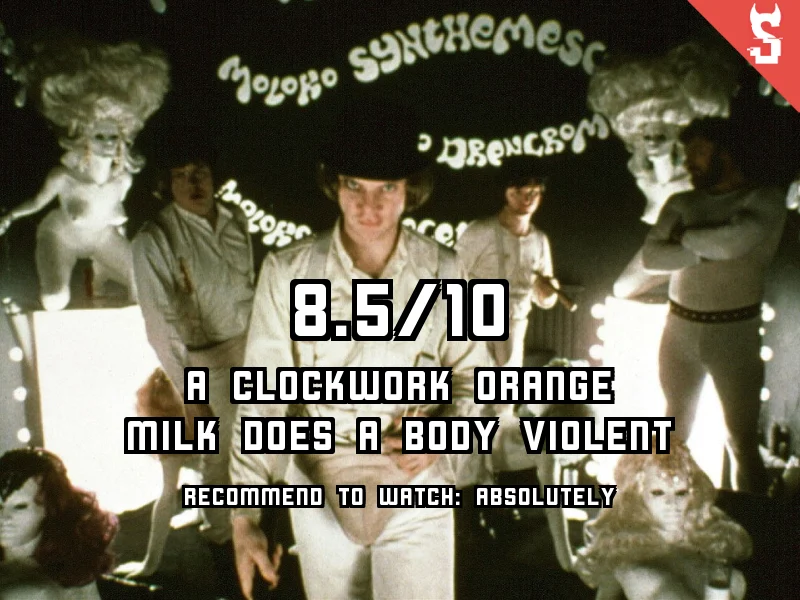
A Clockwork Orange (1971) scores 8.5 out of 10 on SpoilSins, and the one-line verdict is "Absolutely". Above the SpoilSins median of 7.5, and higher than 81% of the 127 films scored here.
8.5/10 the SpoilSins score
- Released
- 1971
- Genre
- Drama, Sci-Fi
- Reviewed by
- Broikos Nikos,
- Scale
- Out of 10, and what that means, against every score on SpoilSins