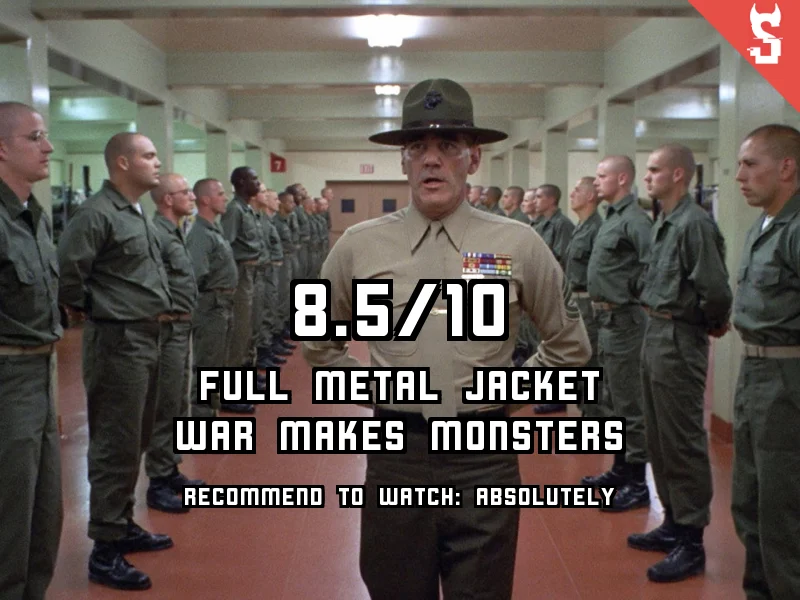
Full Metal Jacket (1987): War Makes Monsters
You think you've seen war movies, but you haven't seen anything until a drill instructor verbally eviscerates your soul for 45 minutes straight. Kubrick's 1987 masterpiece is essentially two films duct-taped together, and somehow that's both its greatest flaw and its secret weapon. Here's why that matters.
The first half is boot camp hell, R. Lee Ermey delivering insults so creative they should be framed in museums. You laugh. You wince. You wonder if this is even legal to film. Private Pyle's breakdown is pure psychological horror wrapped in olive drab. But here is the thing. The Vietnam section feels like a different movie entirely. Slower. Murkier. The jokes land different when bodies start dropping. Kubrick wants you uncomfortable, wants you questioning why you were laughing twenty minutes ago. Mission accomplished, Stanley.
What Is It About
The premise is deceptively simple. Young men become Marines. Marines go to war. Standard military fare, right? Wrong. Kubrick splits the narrative down the middle like a bayonet through basic training. First you watch Joker and Pyle get systematically dehumanized on Parris Island. Then Vietnam swallows everything whole. The complication is psychological rather than tactical. What happens when the military machine works too well on the wrong person? The answer will haunt you long after the credits roll.
Plot Holes and Things That Make No Sense
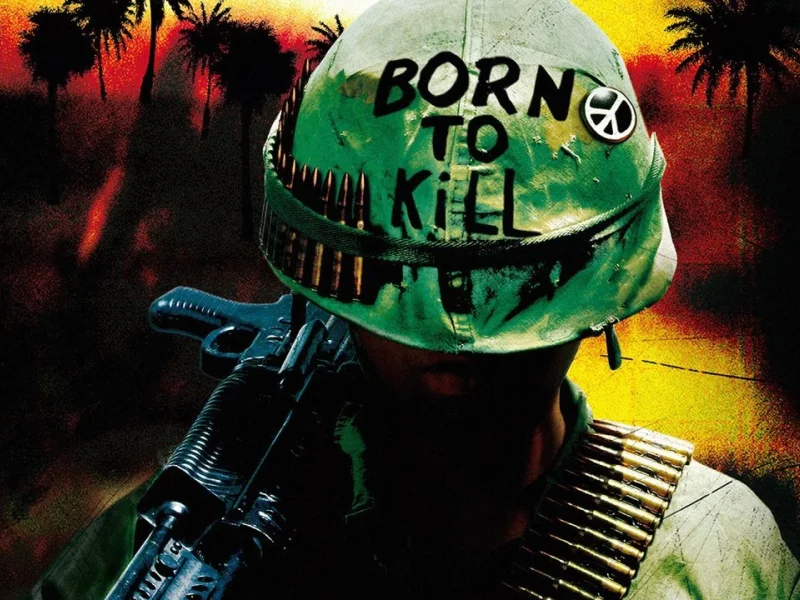
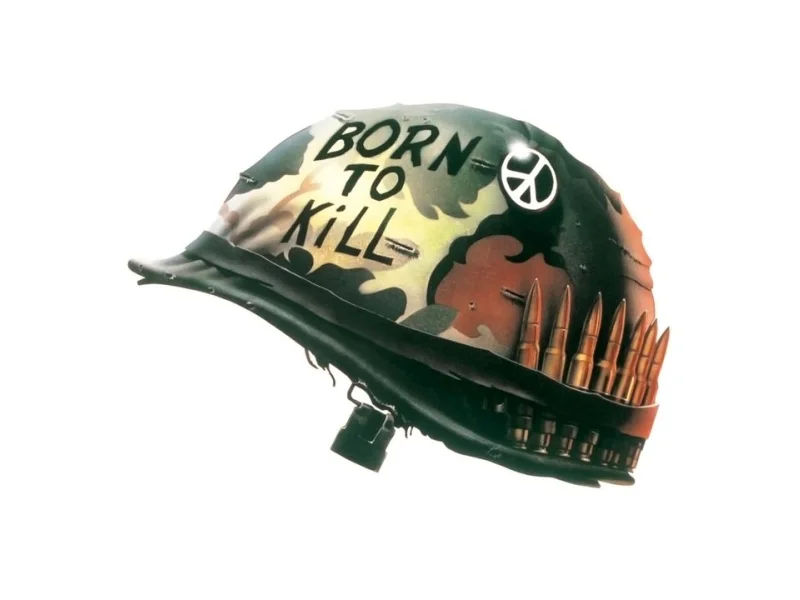
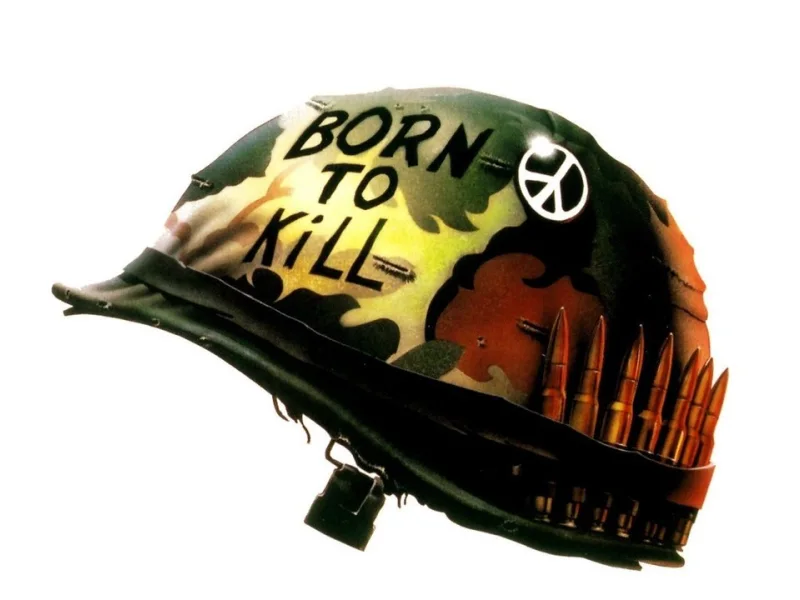
Okay so the plot is frustratingly airtight. Kubrick was a perfectionist psychopath who probably had continuity assistants weeping into their clipboards. So let me roast something else instead. The tonal whiplash between halves is genuinely unhinged. You spend an hour with Pyle and Hartman, get emotionally devastated, then Kubrick just dumps you in Vietnam with a bunch of new guys you barely know. Animal Mother shows up looking like a roided cartoon villain and we are supposed to care about him why exactly. Also Joker wears that peace button and born to kill helmet combo for the entire film like nobody in command would immediately confiscate that. The military lets him walk around as a walking contradiction for symbolic purposes. Sure Stanley. Very realistic.
The Good, The Bad, The Honest
The cinematography is stunning in ways that feel almost clinical. Kubrick frames every shot like a surgical instrument, cold and precise. The Parris Island sequence is a masterclass in controlled chaos, Ermey's performance so electrifying it practically generates its own weather system. However. The Vietnam half meanders. Characters blur together. Rafterman exists purely to look scared. The sniper finale packs emotional punch but arrives after thirty minutes of soldiers wandering through rubble cracking jokes that stopped landing ten scenes ago. Kubrick trusted his audience to stay engaged through pure atmosphere. Bold choice. Not entirely earned.
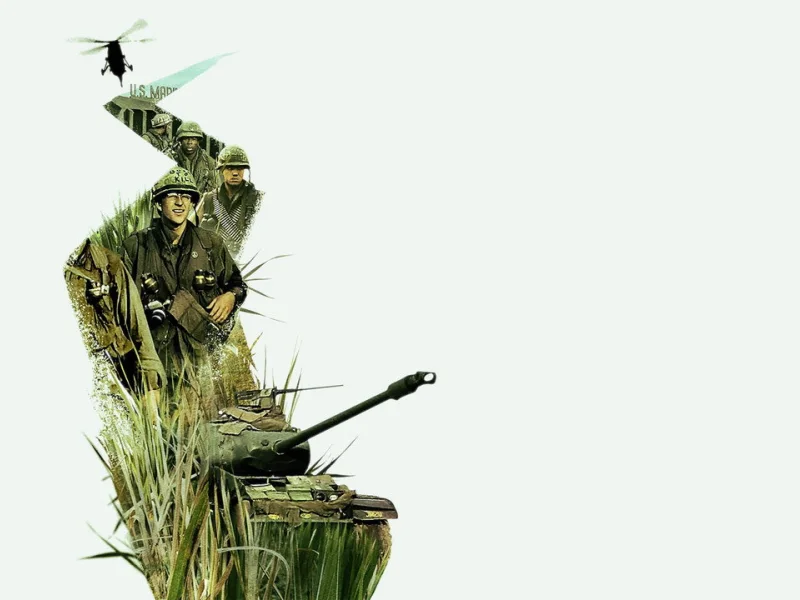
Cast and Direction
Ermey deserved an Oscar nomination and the Academy should still be embarrassed. He improvised half his dialogue and outacted everyone by screaming. Vincent D'Onofrio gained seventy pounds to become Pyle and delivered genuine tragedy. Matthew Modine as Joker? Competent but forgettable. Kubrick directed around him like he was furniture with a helmet.
How It Ends
The squad corners a Viet Cong sniper in a burning building. Turns out she is a teenage girl. Joker hesitates while she begs for death, then shoots her. Mercy kill or murder? Kubrick refuses to answer. The final scene shows Marines marching through fire-lit ruins singing the Mickey Mouse Club theme. Childhood innocence meeting industrial slaughter. Subtle as a brick, effective as a bullet. Does it earn this ending? Absolutely. The entire film builds toward Joker confronting what the military has made him. Pyle pulled a trigger in madness. Joker pulls one in cold clarity. Same machine, different product. That symmetry is devastating.
The Verdict
The single best thing this film does is make you complicit in laughing at cruelty before showing you where that cruelty leads. Final verdict: a flawed masterpiece that punches harder than most perfect films ever could. Skip it and you miss one of cinema's greatest drill sergeants, one of its most haunting finales, and the rare war movie that actually makes you feel dirty for watching. Your Netflix queue can wait.
Is Full Metal Jacket (1987) worth watching?
Absolutely
Full Metal Jacket (1987) scores 8.5 out of 10 on SpoilSins, and the one-line verdict is "Absolutely". Above the SpoilSins median of 7.5, and higher than 81% of the 129 films scored here.
8.5/10 the SpoilSins score
- Released
- 1987
- Genre
- Action-Adventure, Drama
- Reviewed by
- Broikos Nikos,
- Scale
- Out of 10, and what that means, against every score on SpoilSins