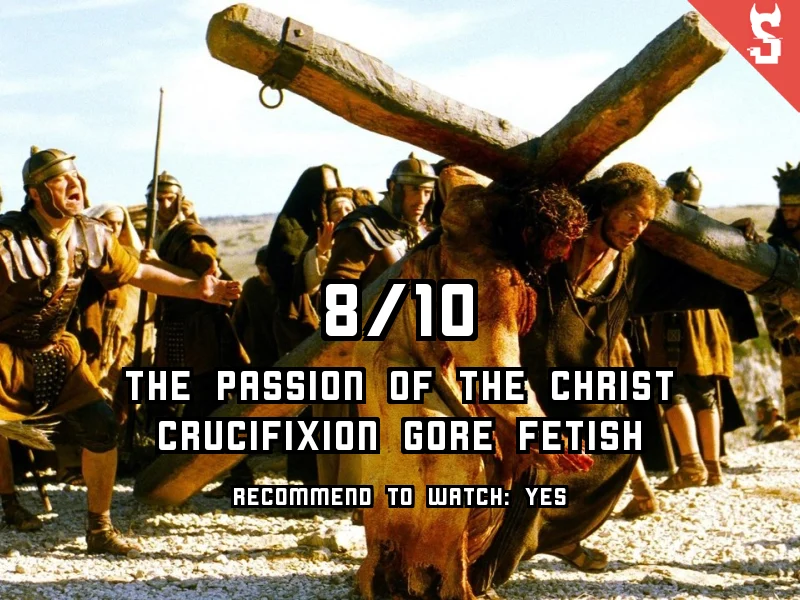
The Passion of the Christ (2004): Crucifixion Gore Fetish
You wanted a faith-based film, so Mel Gibson gave you two hours of the most beautifully shot torture porn ever committed to celluloid. This is cinema as endurance test, daring you to look away while Aramaic dialogue reminds you this is Serious Art. But here's the thing nobody talks about...
Gibson's visual ambition is undeniable. The cinematography is genuinely stunning, all shadow and golden light filtering through ancient stone. Caleb Deschanel shoots suffering like Renaissance painting come to life. But does beauty justify brutality? The film promises spiritual transcendence through unflinching depiction of sacrifice. What it actually delivers is relentless, almost fetishistic violence that numbs rather than enlightens. And then it hits you. After the fortieth lash, the hundredth drop of blood, you stop feeling anything at all. The spectacle becomes white noise. That cannot be the point. Or can it?
What Is It About
The premise is deceptively simple. Follow Jesus Christ through his final twelve hours, from Gethsemane to Golgotha. You know how this ends. Everyone does. That should kill all tension. It does not. Gibson leans into inevitability like a slow motion car crash you cannot stop watching. The complication? This version strips away almost all context, all teaching, all reason why anyone should care about this particular man's death. What remains is pure suffering searching desperately for meaning it never quite finds.
Plot Holes and Things That Make No Sense
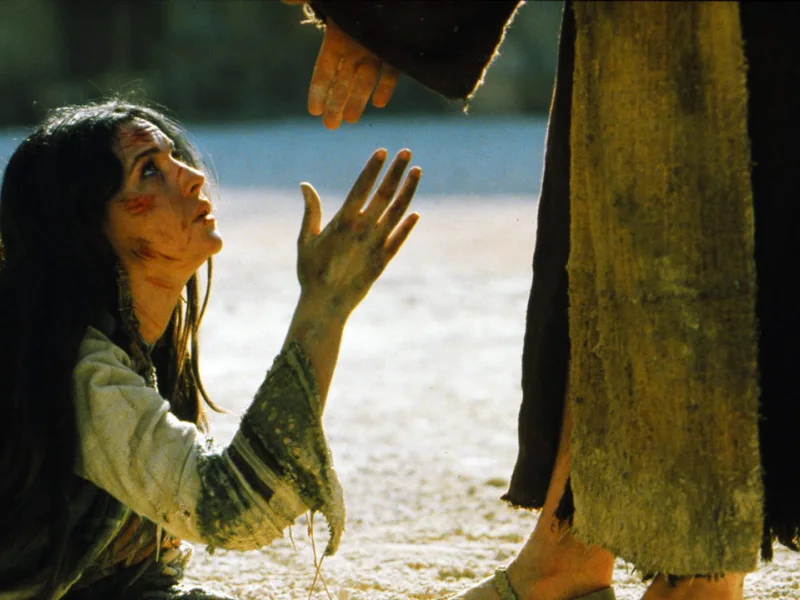
Okay so the plot is basically scripture on rails, which makes traditional plot holes tricky. But the creative choices? Wild. Satan just wanders around the crowd like a Renaissance Faire attendee who got lost, and nobody acknowledges this androgynous demon person standing three feet away. Judas gets chased by demon children who materialize from nowhere, torment him into suicide, then vanish from the film entirely. What was their deal? Were they union? Also Mary Magdalene has a flashback to Jesus saving her from stoning, a scene that biblical scholars agree probably was not even in the original gospels. Gibson just imported it because it looked cool. And Pilate's wife hands Mary clean linens to mop up blood like she runs a first century Bed Bath and Beyond. The historical accuracy crowd stayed real quiet about that one.
The Good, The Bad, The Honest
What works is the commitment. Jim Caviezel disappears into the role completely, delivering anguish through prosthetics so heavy he could barely see. Monica Bellucci brings quiet devastation to Mary Magdalene with almost no dialogue. The sound design is oppressive in the best way, every whip crack landing like a punch to your sternum. However. The film mistakes duration for depth. Longer beatings do not equal greater meaning. Gibson confuses your physical discomfort for spiritual revelation. He shows you everything and tells you nothing. The resurrection gets ninety seconds. The scourging gets ten minutes. That ratio tells you exactly where his interests lie.
Cast and Direction
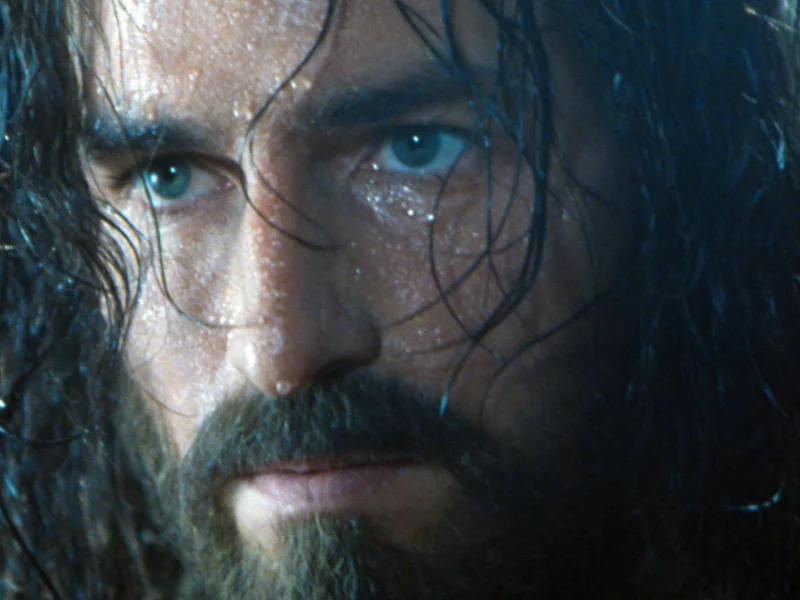
Gibson directs like a man possessed, which tracks. His camera never flinches, never blinks, never gives you permission to breathe. Caviezel commits fully to becoming hamburger meat with a soul. The real MVP? Maia Morgenstern as Mary, delivering genuine heartbreak while everyone else drowns in corn syrup blood. She deserved a better film around her.
How It Ends
Jesus dies. You knew that. The crucifixion stretches across what feels like geological time, nails through wrists, spear through side, the whole greatest hits collection. He expires, gets wrapped in cloth, placed in a tomb. Then the stone rolls away and we see him sitting up, wounds healed except for the holes in his hands, before he walks out into bright light. Credits. The resurrection lasts maybe ninety seconds after two hours of systematic destruction. Gibson spent the entire runtime insisting you witness every moment of death but cannot be bothered to dramatize the miracle that supposedly justifies all of it. The film breaks its own rule. It demands you feel everything, then rushes past the only part that matters. That is not earned. That is a trailer for a sequel he never made.
The Verdict
The single best thing this film does is make you physically incapable of eating during or after viewing. My honest verdict: this is a technical marvel in service of spiritual emptiness, a passion project where the passion overwhelmed the point. Still, you should watch it once. Not for enlightenment, but because nothing else in cinema feels quite like being emotionally waterboarded by someone who genuinely believes they are saving your soul.
Is The Passion of the Christ (2004) worth watching?
Yes
The Passion of the Christ (2004) scores 8 out of 10 on SpoilSins, and the one-line verdict is "Yes". Above the SpoilSins median of 7.5, and higher than 59% of the 128 films scored here.
8/10 the SpoilSins score
- Released
- 2004
- Genre
- Drama
- Reviewed by
- Broikos Nikos,
- Scale
- Out of 10, and what that means, against every score on SpoilSins