Forrest Gump (1994): Stupid Is As Oscar Does
You have been emotionally manipulated by a movie about a man who stumbles backward into every major American moment while a feather does all the heavy lifting. And you loved it. So did I. But here is the uncomfortable truth nobody wants to admit about why this film actually works on you.
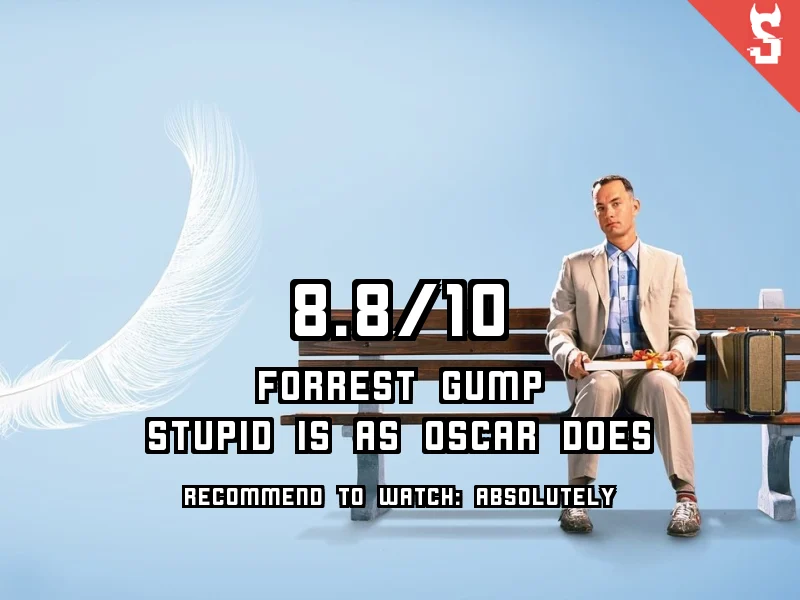
Tom Hanks sits on that bench and starts talking, and you think you know where this is going. Sentimental slop. Oscar bait wrapped in boomer nostalgia. But here is the thing. Director Robert Zemeckis is playing a longer game than you realize. He dangles every heartstring moment in front of you, daring you to roll your eyes. Some scenes feel manipulative because they absolutely are. Yet something strange happens around the halfway mark. The manipulation stops feeling cheap. The question becomes whether Zemeckis earned your tears or simply stole them while you were distracted by that floating feather.

What Is It About
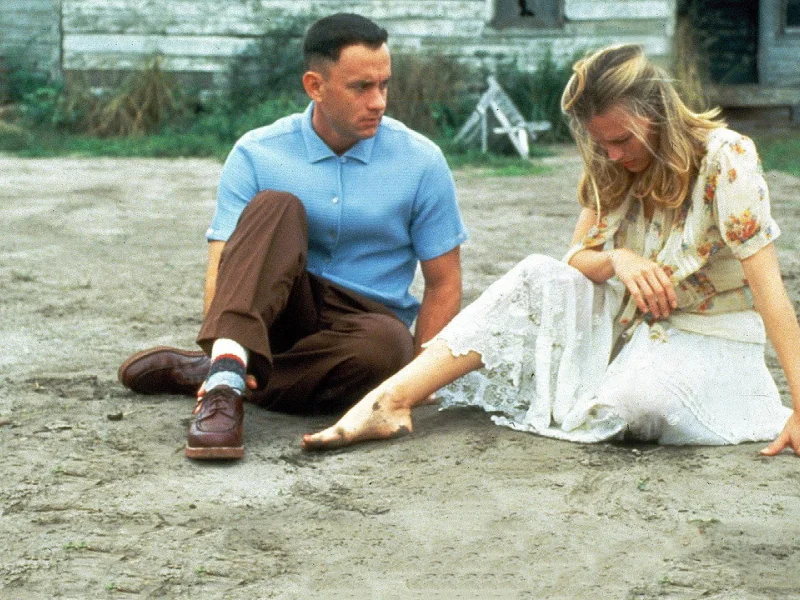
The setup sounds like a greeting card. Simple man lives through complicated times, meets presidents, starts a shrimp empire, runs across America. Easy enough. But the complication is Jenny. She keeps leaving. She keeps returning. She represents everything Forrest cannot understand about a country tearing itself apart. Their relationship carries a dark undercurrent the film never fully addresses. What she experienced and why she keeps running from the one person who loves her unconditionally. That answer might change how you see everything.
Plot Holes and Things That Make No Sense
Okay so Forrest becomes a ping pong champion by just being told to keep his eye on the ball. That is not how professional athletics work. The man goes from never holding a paddle to representing America against China in what feels like six months. Also Jenny keeps finding him or he keeps finding her across decades with zero explanation. No phones, no addresses, just vibes and destiny apparently. And Lieutenant Dan invests their shrimp money into Apple stock before Apple was Apple. The movie wants you to believe divine intervention handles logistics. Which honestly tracks because nothing in this man's life operates on earthly logic.
The Good, The Bad, The Honest
The technical wizardry deserves genuine respect. Zemeckis stitched Hanks into historical footage so seamlessly that you forget you are watching a magic trick. That handshake with JFK still holds up thirty years later. The editing creates a rhythm that makes two and a half hours feel breezy. However. The film treats the counterculture like a disease Jenny catches. Every activist is angry or abusive. Every protest leads somewhere bad. Forrest succeeds by staying obedient. Jenny suffers for asking questions. The politics hiding inside this feel good package are sneakier than they first appear. And considerably meaner.

Cast and Direction
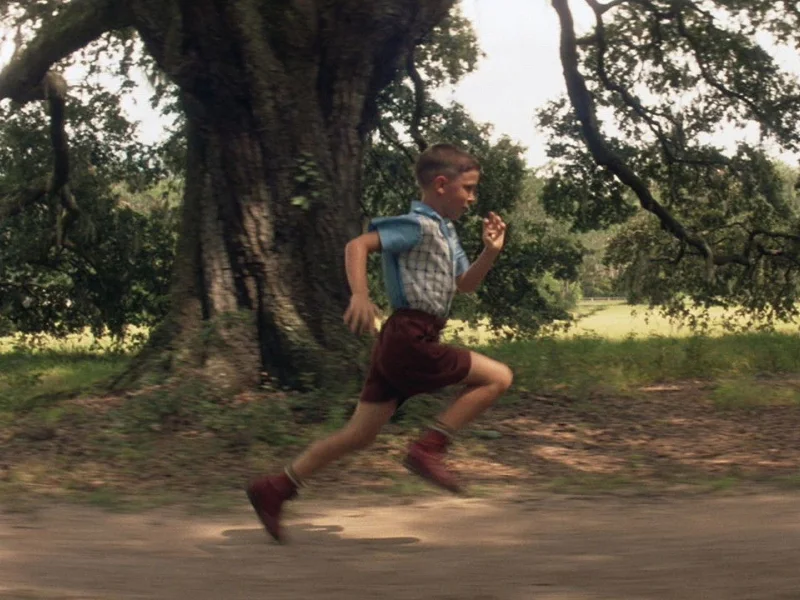
Hanks makes a risky choice look effortless. He plays Forrest without a single wink to the audience, fully committed to sincerity in a way that could have cratered into parody. Gary Sinise acts circles around everyone with half the screen time. Zemeckis directs like a man who trusts his gimmicks too much but executes them flawlessly anyway.
How It Ends
Jenny dies. That is the ending. She marries Forrest, reveals he has a son, then succumbs to an unnamed virus heavily implied to be AIDS. Forrest buries her under their childhood tree. The final scene shows him putting his son on the school bus, and that feather floats back into frame because Zemeckis cannot resist bookending symbolism. Does the film earn this gut punch? Mostly yes. Jenny's death tracks with her self destructive arc, even if the movie punishes her more than she deserves. The sentimentality here feels honest rather than manipulative. Forrest finally gets a family, then loses half of it immediately. The cruelty is the point.
The Verdict
The single best thing this film does is make you root for a man the world should have crushed. Your final verdict: it is manipulative, politically suspect, and occasionally shameless, yet it works anyway because Hanks refuses to let you look away. Skip it and you miss the rare blockbuster that trusts stillness over spectacle. Also you will never understand why people keep saying life is like chocolates.
Is Forrest Gump (1994) worth watching?
Absolutely
Forrest Gump (1994) scores 8.8 out of 10 on SpoilSins, and the one-line verdict is "Absolutely". Above the SpoilSins median of 7.5, and higher than 91% of the 108 films scored here.
8.8/10 the SpoilSins score
- Released
- 1994
- Genre
- Comedy, Drama
- Reviewed by
- Broikos Nikos,
- Scale
- Out of 10, and what that means, against every score on SpoilSins