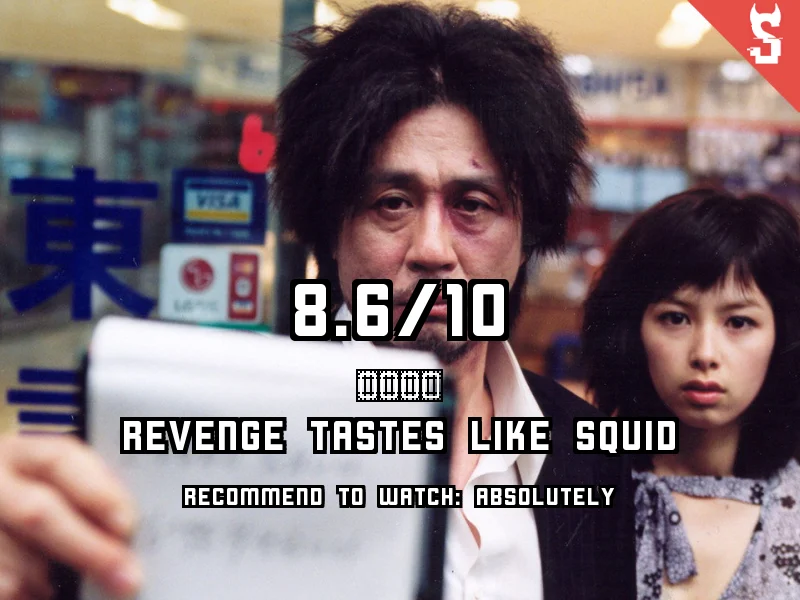
올드보이 (2003): Revenge Tastes Like Squid
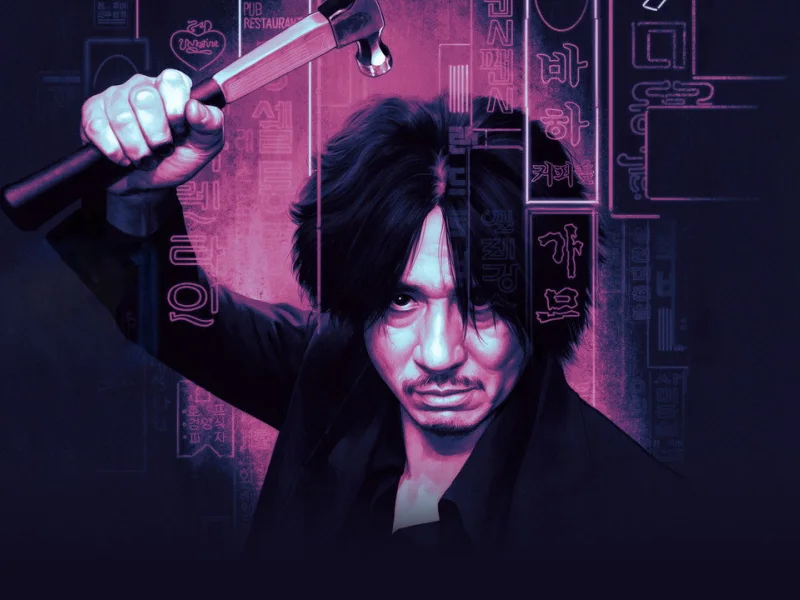
You think you understand revenge? That's adorable. Park Chan-wook's 2003 masterpiece will rewire your brain, make you question every thriller you've ever loved, and leave you staring at walls for days afterward. The hammer scene alone deserves its own museum wing. But here's the thing about that ending...
The premise sounds almost too simple. A man gets imprisoned for fifteen years with no explanation, then released with even less. Revenge time, right? Standard fare. Except nothing here plays by the rules you expect. And then it hits you. This isn't about fists and fury. It's a psychological labyrinth designed by a genuinely twisted architect. Choi Min-sik delivers a performance so raw it should require a prescription. He eats live octopus. He wields a hammer like poetry. He breaks your heart while covered in other people's blood. The question isn't whether Oldboy delivers on its promise. The question is whether you're ready for what that promise actually costs.
What Is It About
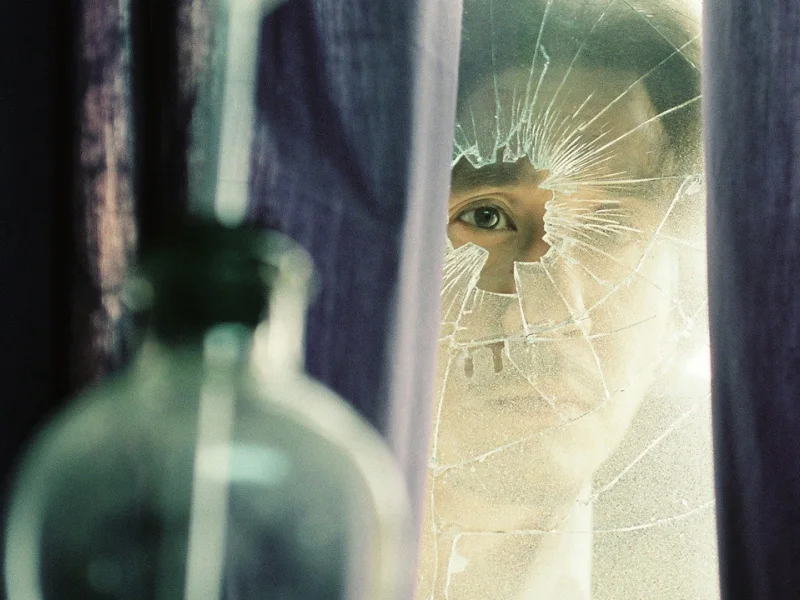
The premise promises catharsis. Oh Dae-su will find his captor, demand answers, exact brutal justice. Simple math. Except his tormentor wants to be found. Welcomes it, actually. Every clue feels planted, every discovery choreographed. You start wondering who's hunting whom. The deeper Dae-su digs into the mystery of his imprisonment, the closer he gets to a truth so devastating it makes those fifteen years look like mercy. Some answers should stay buried. This one crawls out anyway.
Plot Holes and Things That Make No Sense
Okay so the hypnosis thing. We're just accepting that a guy can be programmed like a Nokia ringtone to fall in love on command? That's not how brains work but sure. Also Woo-jin has apparently unlimited funds and zero oversight while constructing private prisons and surveillance networks across Seoul. Nobody at the bank flagged this? The teeth counting scene bothers me too. Dae-su somehow deduces his imprisonment timeline from pulled molars like he's got a dental forensics degree he never mentioned. But honestly the plot holds together better than it has any right to. The real audacity is that Park Chan-wook looked at this script and said yes the villain's motivation should be THAT. Bold choice. Unhinged choice. I respect it while also needing therapy.
The Good, The Bad, The Honest
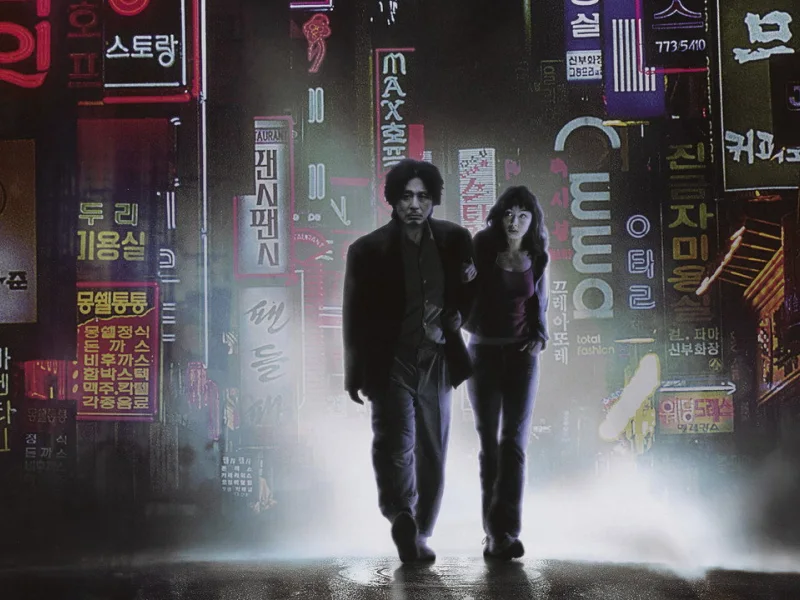
The corridor hammer fight remains one of cinema's greatest single takes. No cuts, no stunt doubles, just Choi Min-sik plowing through goons like a wounded animal refusing to die. The cinematography throughout treats violence as dance and grief as architecture. However. The third act leans so hard into melodrama it nearly tips over. The villain monologues forever. Seriously, someone get this man an editor. The score swells at moments that demand silence instead. Park wants you devastated but occasionally settles for bludgeoned. The emotional manipulation works. It also shows its hand too often.
Cast and Direction
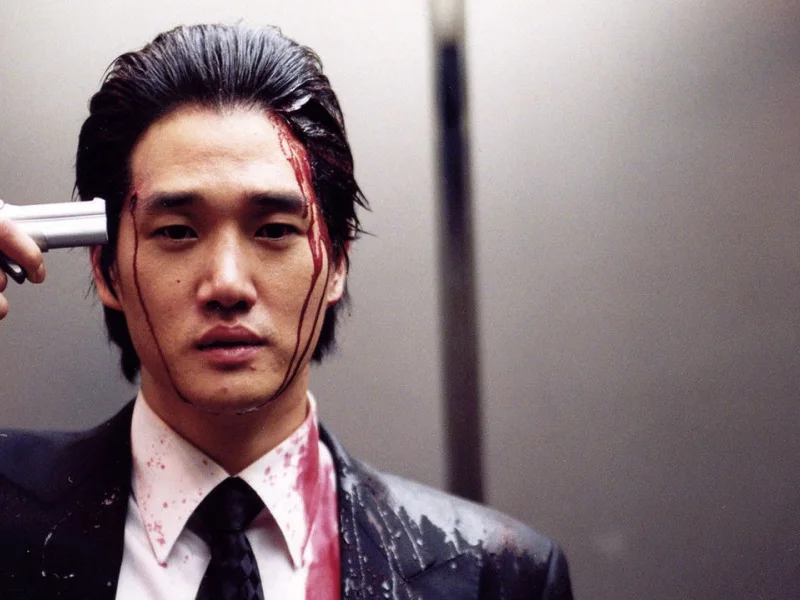
Choi Min-sik doesn't act so much as hemorrhage emotion onto the screen. That final revelation scene? He ages thirty years in ninety seconds using only his face. Yoo Ji-tae plays the villain with such icy restraint you want to check him for a pulse. Park directs like a man who genuinely hates comfortable audiences.
How It Ends
Here it is. Dae-su discovers the woman he's been sleeping with is his daughter. Woo-jin orchestrated everything because teenage Dae-su spread a rumor that led to Woo-jin's sister's suicide. A sister Woo-jin was sleeping with. The villain wins, then shoots himself because victory was never the point. Dae-su begs a hypnotist to erase his memory. Final scene shows him reuniting with his daughter, smiling ambiguously. Did the hypnosis work? Does he know? Park refuses to answer. The film absolutely earns this gutpunch. Every clue hides in plain sight. The incest reveal feels inevitable rather than cheap because the movie establishes its villain as someone who punishes through poetic mirroring. He suffered forbidden love. Now Dae-su suffers it too. Brutal math, honestly.
The Verdict
This film makes you complicit in its horror and dares you to look away. Final verdict: a grimy, operatic nightmare that belongs in every serious film conversation, subtitles be damned. Skip it and you forfeit your right to discuss revenge cinema at parties. You also miss watching a man become unrecognizable to himself in real time. That's worth the emotional damage. Trust me.
Is 올드보이 (2003) worth watching?
Absolutely
올드보이 (2003) scores 8.6 out of 10 on SpoilSins, and the one-line verdict is "Absolutely". Above the SpoilSins median of 7.5, and higher than 90% of the 109 films scored here.
8.6/10 the SpoilSins score
- Released
- 2003
- Genre
- Horror-Thriller
- Reviewed by
- Broikos Nikos,
- Scale
- Out of 10, and what that means, against every score on SpoilSins