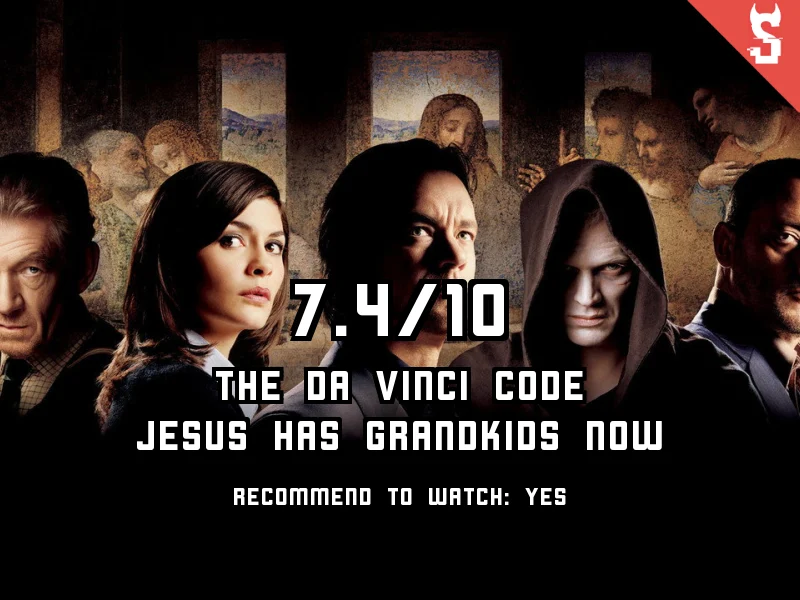
The Da Vinci Code (2006): Jesus Has Grandkids Now
You know that feeling when you watch a perfectly competent film and somehow leave feeling absolutely nothing? Ron Howard assembled an A-list cast, a bestselling phenomenon, and managed to create the cinematic equivalent of a Wikipedia binge at 2 AM. But here's the thing about Tom Hanks' hair...
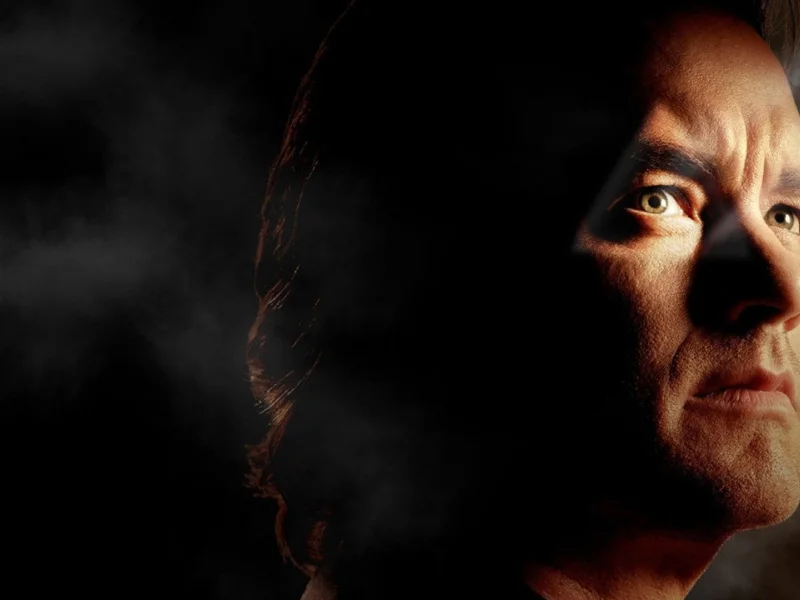
That mullet deserved its own credit. Hanks shuffles through Paris looking like a professor who lost a bet, muttering about symbology while Audrey Tautou tries desperately to inject urgency into scenes that move like molasses in a cathedral. And then it hits you. The book worked because your imagination did the heavy lifting. Here, everything is explained, re-explained, then explained again with helpful flashbacks. The mystery evaporates the moment characters start solving puzzles by staring intensely at obvious clues. Ian McKellen arrives and briefly makes you believe you are watching a different, better film.
What Is It About
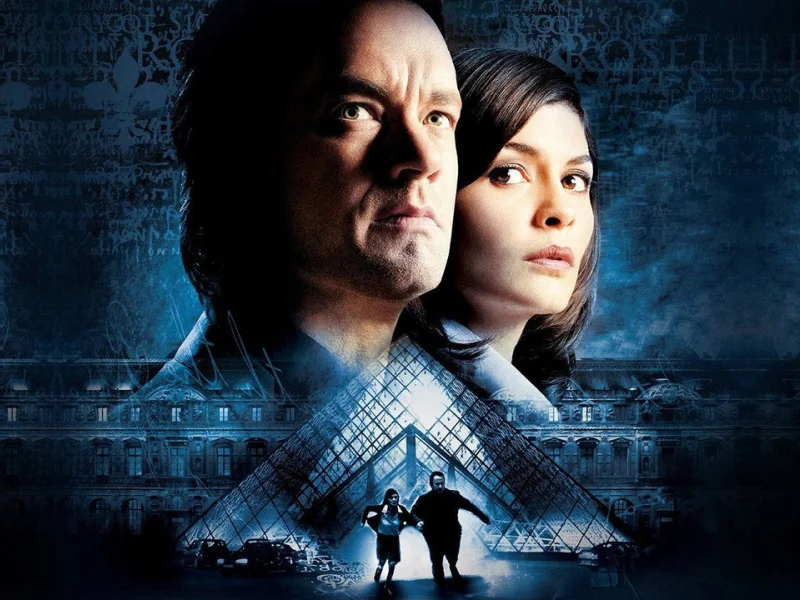
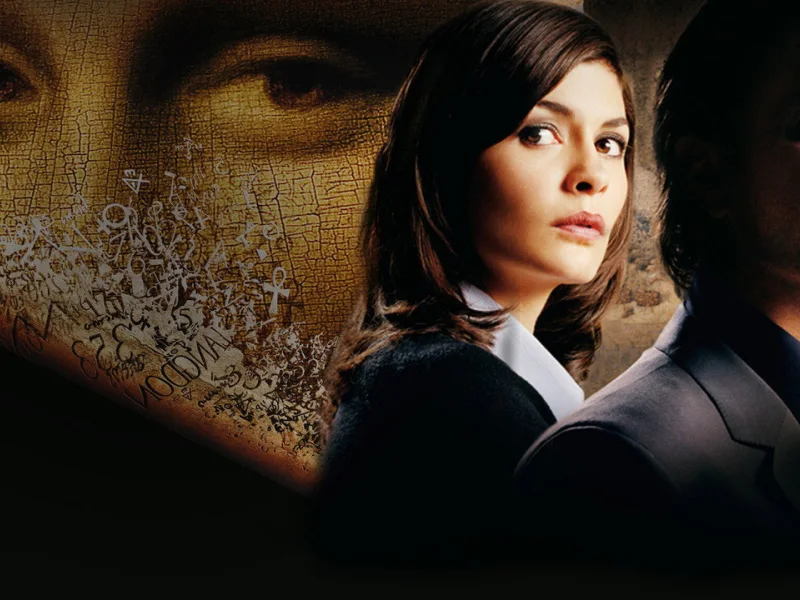
The premise hooks you immediately. A murdered curator, a secret society, a conspiracy stretching back two thousand years. Robert Langdon gets dragged into a puzzle that could shatter the foundations of Christianity itself. Sounds electrifying, right? But here is the thing. Every revelation arrives with all the suspense of a PowerPoint presentation. The film wants you breathless as codes unravel, yet somehow the biggest secret in human history feels less urgent than finding your car keys. What they discover should change everything. Whether you will care is another matter entirely.
Plot Holes and Things That Make No Sense
Okay so Silas the albino monk literally murders people in public spaces and somehow nobody notices. A guy gets whipped to death in a church and the police are just... where exactly? Then there is the matter of Sophie conveniently forgetting her entire childhood trauma until the plot needs her to remember it. The Louvre has one of the most sophisticated security systems on earth but Langdon and Sophie just casually stroll through it while being hunted by every cop in France. And my personal favorite: they crack codes in minutes that supposedly stumped scholars for centuries, but sure, a symbologist with bad hair figures it out between car chases. The film treats its audience like we have never encountered a locked door or a timeline before.
The Good, The Bad, The Honest
Hans Zimmer's score genuinely elevates the material, blending sacred choirs with pulsing tension in ways the screenplay never earns. The production design recreates historical locations with meticulous care. You feel the weight of centuries in every stone corridor. But none of it matters when your lead has zero chemistry with his co-star. Hanks looks bored. Tautou looks confused about why she is there. The dialogue lands like wet cardboard. Every theological debate becomes a lecture. Every chase feels choreographed by committee. Beautiful packaging, empty box. You keep waiting for the film to trust its audience. It never does.
Cast and Direction
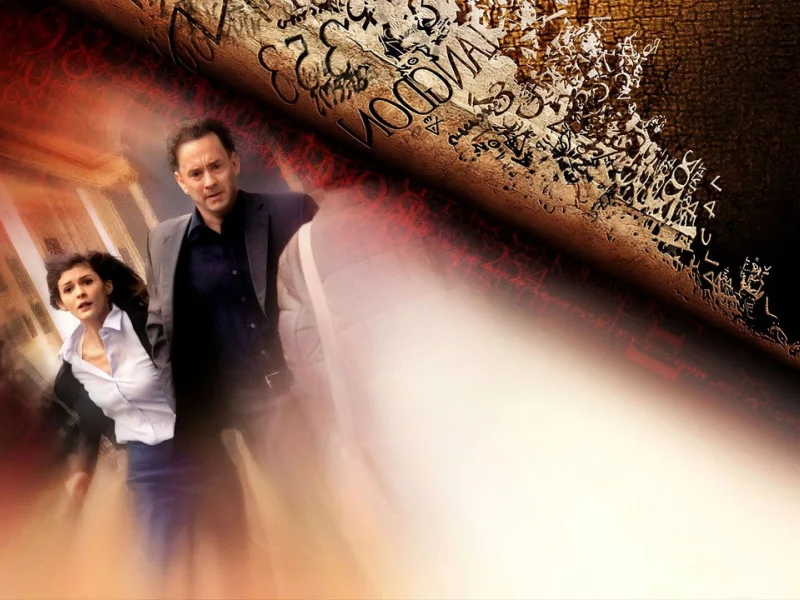
Ron Howard directs like a man terrified of offending anyone, smoothing every edge until nothing cuts. Hanks delivers his flattest performance since the volleyball had more screen presence. McKellen understood the assignment, chewing scenery like he was starving. Jean Reno exists purely to furrow his brow and chase people through airports. Paul Bettany commits fully to a role that asked him to flagellate himself. Someone owed him an apology.
How It Ends
Sophie is the living descendant of Jesus Christ. That is the big reveal. Her grandmother and a secret society have protected her bloodline for centuries. Langdon figures this out, Silas dies regretting his sins, and the villainous Teabing gets arrested for orchestrating murders to expose the truth. The final scene shows Langdon kneeling above Mary Magdalene's hidden tomb beneath the Louvre pyramid, finally understanding the secret he chased across Europe. Does the film earn this? Barely. The revelation lands with a thud because Sophie herself seems unbothered by learning she shares DNA with the Son of God. Two hours of breathless exposition for a shrug. The mechanism here is bloodline secrecy, and while the film follows its own rules, it forgets to make us care about them.
The Verdict
The film makes you genuinely curious about religious history for approximately ninety seconds. That counts for something. Final verdict: a perfectly watchable artifact of mid-2000s blockbuster ambition that mistakes length for depth and exposition for intrigue. Skip it and you miss nothing essential. Watch it and you get a decent Sunday afternoon time-killer with snacks. Sometimes that is enough. Your couch has seen worse.
Is The Da Vinci Code (2006) worth watching?
Yes
The Da Vinci Code (2006) scores 7.4 out of 10 on SpoilSins, and the one-line verdict is "Yes". Below the SpoilSins median of 7.5: 38% of the 111 films scored here rate lower.
7.4/10 the SpoilSins score
- Released
- 2006
- Genre
- Horror-Thriller
- Reviewed by
- Broikos Nikos,
- Scale
- Out of 10, and what that means, against every score on SpoilSins